We grow through relationship
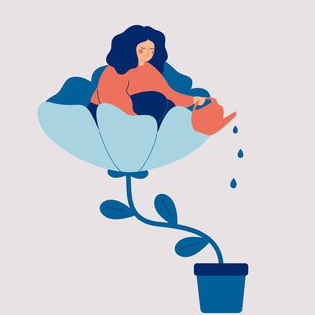
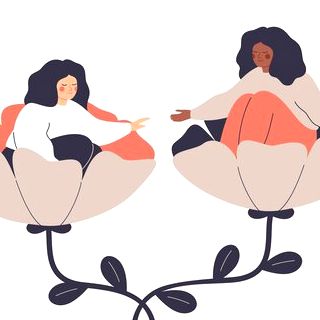
By feeling heard, understood and supported by an attentive other we learn to listen, understand and support ourselves better too. That, for me, is the role of the therapist: not a nodding head or the 'expert' there to fix you, but someone who is committed to staying with the complexity of who you are moment to moment.
Each person comes to therapy with different needs and expectations, which makes therapy rather tricky to define. My best shot at a definition might be that, at the core, counselling is the often unfamiliar process of sitting with someone who pays attention. Not only does this help us pay better attention to what's going on inside, but it can make us a little kinder to ourselves and to the world around us. Whatever I have learnt over many years of professional training is in service of that.
My main counselling training is in Psychosynthesis - an inclusive and flexible approach that brings together different traditions and affirms people's potential to live by their highest values and contribute to the common good. I also obtained a Graduate Certificate in Jungian Psychology with Art Therapy and undergone further training in Gestalt and various body-based trauma treatment approaches like Sensorimotor Psychotherapy and Hakomi.
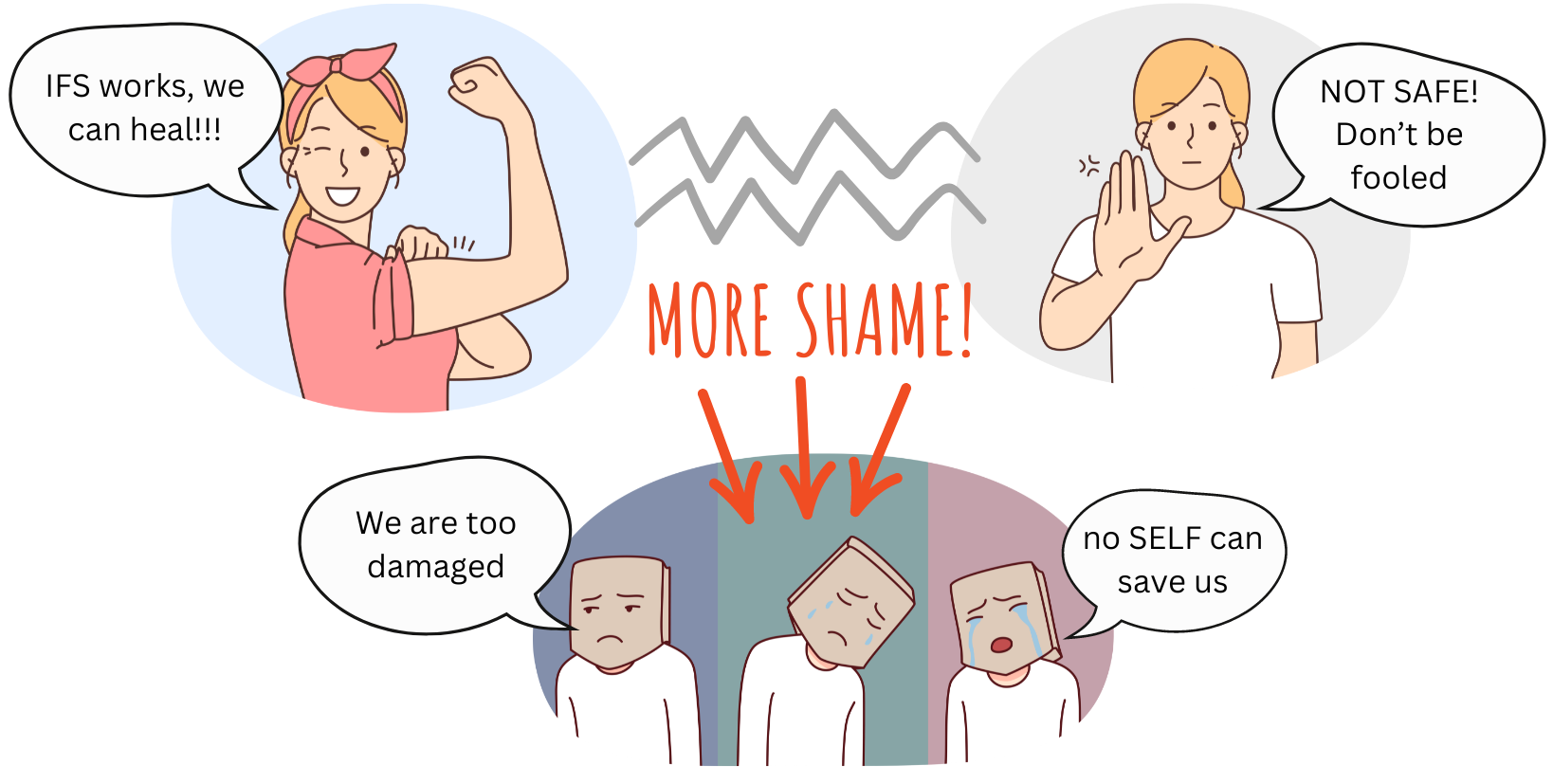
Much of my work draws on parts-based approaches, particularly
IFS therapy and Janina Fisher's
TIST model. Both are especially helpful when working with inner conflict, self-criticism and the lasting effects of trauma. You can read more about each below.